Chemical element · Atomic number 14
Silicon
Silicon in the periodic table: atomic number 14, electron configuration, atomic mass, physical data, oxidation states, media credit and visible sources.
Metalloid
solid
28.085 u
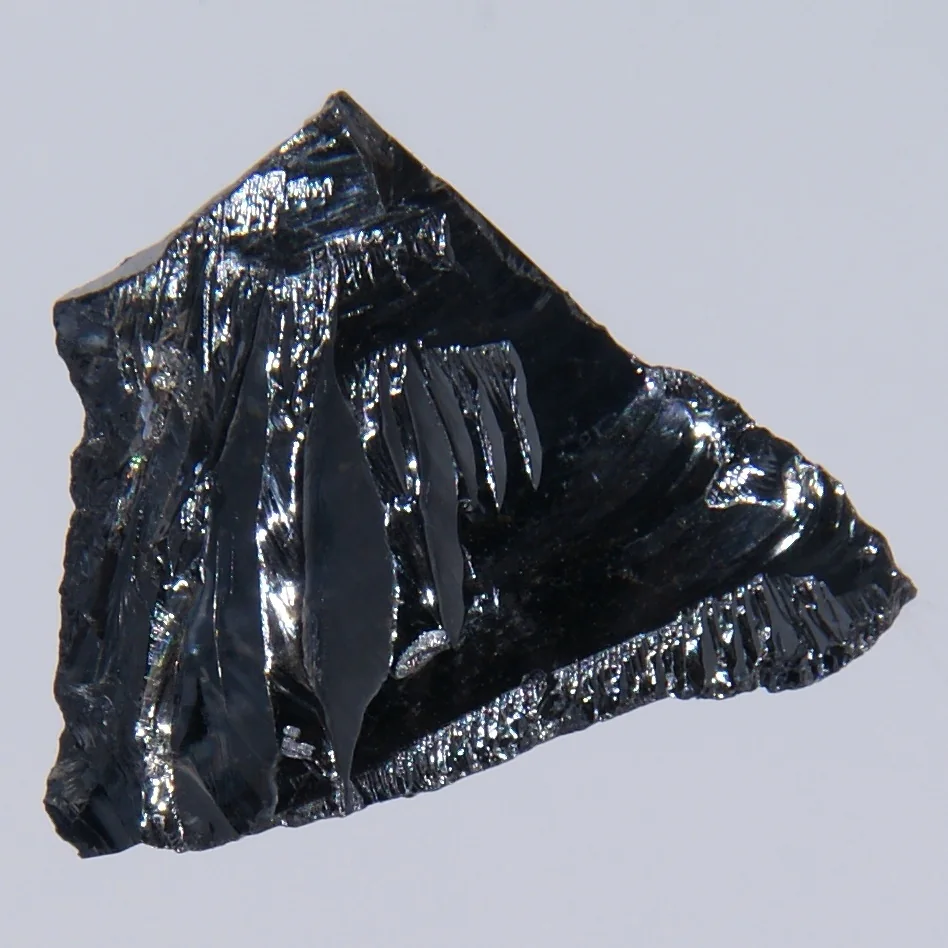 Documented element sample
An approximately two-centimetre piece of high-purity elemental silicon.
Image credit: Jurii
Auto-oriented, limited to 1600 × 1200 pixels and re-encoded as WebP; the subject was not altered.
Atomic classification
Shell occupancy
Silicon in the Bohr shell model
This shows the electron distribution of the neutral atom in a simplified shell model.
- K · n=1
- 2 electrons
- L · n=2
- 8 electrons
- M · n=3
- 4 electrons
- Electron configuration
- [Ne]3s2 3p2
- Electrons per shell
- 2 · 8 · 4
- Group
- 14
- Period
- 3
- Block
- P
- Element category
- Metalloid
Physical and chemical properties
- Atomic mass
- 28.085 u
- Standard state
- solid
- Density
- 2.3296 g/cm³
- Melting point
- 1,687 K
- Boiling point
- 3,538 K
- Electronegativity
- 1.9 (Pauling)
- First ionisation energy
- 8.152 eV
- Oxidation states
- +4, +2, -4
- Discovery
- 1854
Safety and periodic classification
Safety
Safe handling cannot be inferred from Silicon's position in the periodic table alone. Laboratory, classroom and disposal decisions must follow the documentation for the exact material and its safety data sheet.
Position and comparison
Silicon is in period 3, group 14 and the P block. Its direct neighbours by atomic number are Aluminum and Phosphorus. The recorded Pauling electronegativity is 1.9. Periodic trends are compared only through the separately sourced neighbouring values.
Sources and scope
PubChem attributes element data to sources including IUPAC, NIST and IAEA. Quanta stores the referenced snapshot locally and leaves unknown values unavailable.
Where Silicon sits among the 118 elements
The table compares the reported values for Silicon with every other element that carries the same value in the snapshot. A rank is not a judgement, it is orientation: it says how unusual this value is across the periodic table.
| Value | Silicon | Position in the data set |
|---|---|---|
| Melting point | 1,687 K | Rank 33 of 103 elements with a reported value. Highest: Carbon. |
| Boiling point | 3,538 K | Rank 27 of 93 elements with a reported value. Highest: Rhenium. |
| Density | 2.33 g/cm³ | Rank 74 of 96 elements with a reported value. Highest: Osmium. |
| Electronegativity (Pauling) | 1.9 | Rank 36 of 95 elements with a reported value. Highest: Fluorine. |
| Ionisation energy | 8.152 eV | Rank 33 of 102 elements with a reported value. Highest: Helium. |
All values and ranks come from the PubChem Periodic Table snapshot, retrieved on 2026-07-15. Elements without a reported value are excluded, so the population differs per row.
The neighbours of Silicon in the periodic table
- Place in the table
- Group 14, period 3, P block. Classified as metalloid, solid at standard conditions.
- Direct neighbours
- Atomic number 14. Preceded by Aluminum, followed by Phosphorus.
- Same group
- Same number of outer electrons, and therefore similar reactivity to Carbon, Germanium, Tin, Lead, Flerovium.
- Discovery
- Recorded in the snapshot as: 1854. Who, where and under what circumstances is not part of that record, so this page carries the sourced year and no discovery narrative.
- Oxidation states
- +4, +2, -4. They follow from the electron configuration [Ne]3s2 3p2 and indicate which compounds to expect.
Go from looking up chemistry to remembering it.
Turn your notes into source-backed study cards and review them at the right time.
Starter stays free · no payment details